|
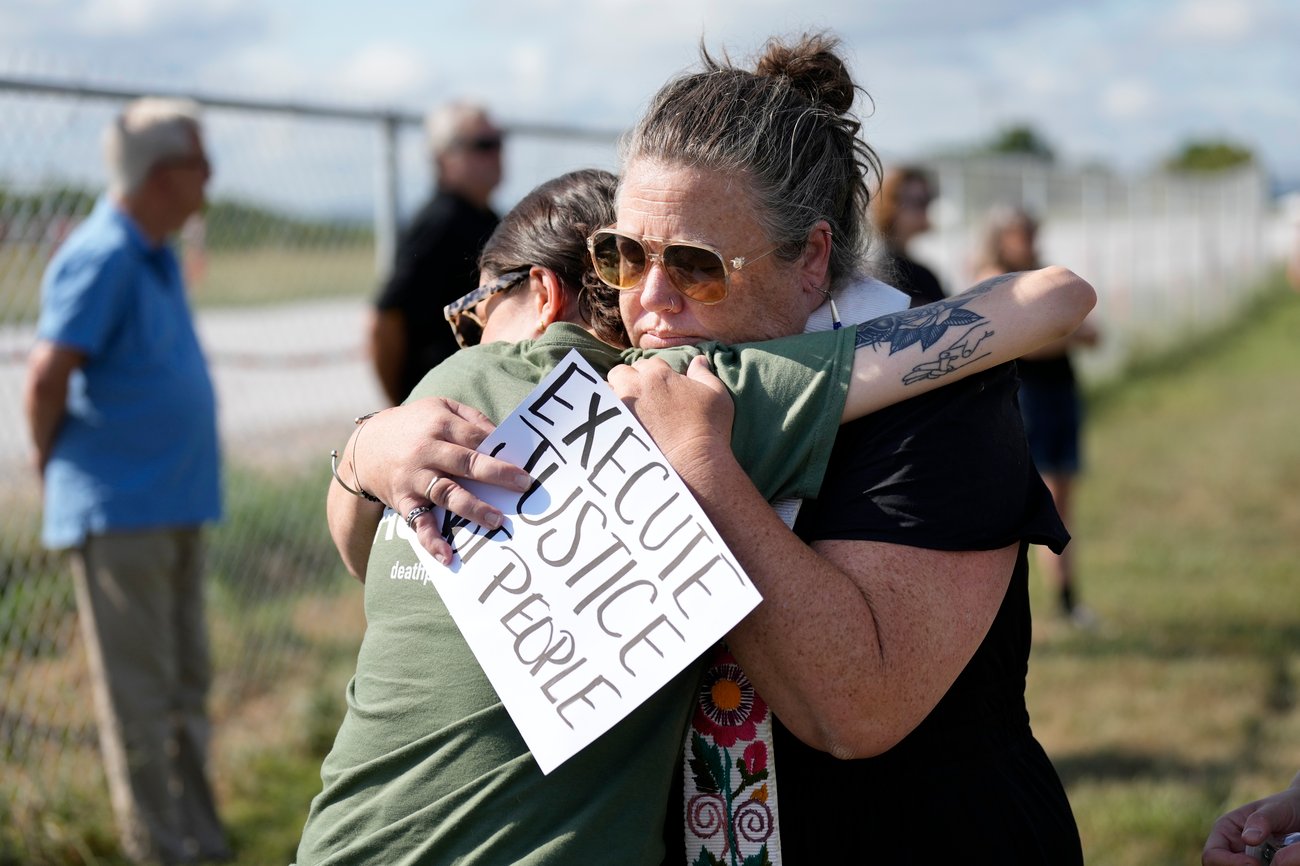
The state of Tennessee killed death row inmate Byron Black by lethal injection last week despite warnings that his pacemaker would make the process excruciating.
Black’s lawyers petitioned the court to have the pacemaker shut off prior to the execution. The lethal injection, they argued, would slow Black’s heart rate, triggering the device to send painful shock waves through his body. A judge agreed—but the Tennessee attorney general’s office appealed the decision and the state Supreme Court ordered the pacemaker to stay on.
Journalists who witnessed the execution said Black groaned in agony as the drugs were being administered. He then writhed in pain for several minutes before he finally stopped breathing and was declared dead.
“My client was tortured today,” said Kelley Henry, Black’s public defender.
Black’s killing was the fourth botched execution in the United States this year. In 2023, nearly 35% of all executions resulted in unnecessary pain or suffering. There has been almost no political response. Polling shows a majority of Americans still support the death penalty and lawmakers are reluctant to defend the rights of violent criminals.
Black was convicted in 1989 of murdering his ex-girlfriend, Angela Clay, and her two young daughters. Questions about his mental competence were raised during the trial and he was later diagnosed with an intellectual disability. State law bans the execution of the mentally disabled, but Tennessee refused to commute Black’s sentence because he had not proved his condition before his conviction.
It’s not clear what went awry in Black’s death—but the rise in botched executions is usually attributed to two factors: the impurity of lethal injection drugs and the inexperience of those administering them.
Most pharmaceutical makers and exporters refuse to sell lethal injection cocktails to the United States. Several states, including Tennessee, have “secrecy laws” concealing how they obtain such drugs, but it is widely speculated they come from unregulated compounding pharmacies or even the black market.
Many medical professionals refuse to assist with executions, and states now ask volunteers to help carry them out. While state laws typically require at least one medical professional to be present, the identities of the people in the room are kept secret, making it impossible to know their qualifications.
Last year, in Idaho, an execution team tried and failed eight times to establish an intravenous line in death row inmate Thomas Creech before the execution was called off.
It’s tempting to dismiss Black’s suffering given the crime he committed. But the Trump era has shown how denying the humanity of a single individual erodes the rights of all—just look at the growing number of legal citizens swept up by immigration raids.
Donald Trump is a fan of the death penalty. Earlier this year, he signed an executive order directing the federal government to help states acquire lethal injection drugs. The order was titled “Restoring the Death Penalty and Protecting Public Safety” despite decades of research showing that capital punishment is not a deterrent to crime.
Like many of us, I still marvel that a man as cruel as Trump could become president, but Black’s story is a reminder that Trump is merely a symptom of a deeper sickness. It’s not Trump we need to get rid of—but the unjust system that allows his inhumanity to thrive. |